

Understanding the psychology behind casino game choices

The allure of risk and reward
The psychology of gambling is deeply intertwined with the allure of risk and the potential for reward. Players are often drawn to casino games because they embody the thrill of taking chances, which can trigger a rush of adrenaline and excitement. This sensation can lead to what is known as the “near-miss effect,” where players feel a heightened motivation to continue playing after coming close to winning. The anticipation of a payoff can create a compelling cycle that keeps players returning to the tables or machines. For those interested in exploring diverse options, a helpful resource is the guide to bitcoin sportsbooks that presents new opportunities in crypto betting.
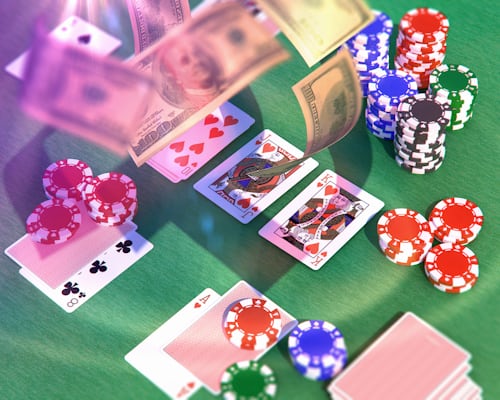
Furthermore, the desire for a win often overshadows the understanding of the odds involved in various games. Gamblers may overestimate their chances of winning, which can further fuel their interest in certain games. This cognitive bias can lead them to choose games that are more volatile or deceptive in their payout structure, as the thrill of the potential win often outweighs the rational assessment of the risks involved.
The influence of social factors
Social dynamics play a significant role in shaping gambling behavior. The environment of a casino, filled with the sounds of cheering, laughter, and the clinking of coins, creates a social atmosphere that fosters camaraderie among players. Many individuals choose games based on the social experience they offer, opting for games that allow for interaction with others, such as poker or blackjack, over solitary games like slots. This social validation makes gambling a collective experience rather than an isolated one.
Moreover, peer pressure and social proof can heavily influence an individual’s game choice. If friends or family members are engaged in specific games, others may feel compelled to join in, leading to a shared experience that enhances enjoyment. This social aspect can further amplify the psychological impact of wins and losses, as individuals may feel more motivated to continue playing to match the success of their peers.
The role of cognitive biases
Cognitive biases significantly influence how players make choices in the casino. Concepts such as the gambler’s fallacy, where players believe that past events will influence future outcomes, can lead to misguided decisions. For instance, a player may perceive a game as “due” for a win after a series of losses, prompting them to invest more time and money into that game despite the inherent independence of each spin or deal.
Additionally, the illusion of control can play a pivotal role in game selection. Players may gravitate towards games where they feel they can exert some level of skill or influence, such as blackjack or poker, as opposed to purely chance-based games like slots. This belief in personal agency can enhance their engagement and investment in these games, even if the statistical advantage does not support their perceptions.
The impact of game design
Casino games are meticulously designed to capture attention and encourage prolonged play. Features such as bright lights, enticing sounds, and immersive graphics are strategically implemented to create an engaging atmosphere that keeps players enthralled. The psychology of these designs taps into various sensory experiences, which can lead to increased dopamine release, reinforcing the behavior of continuous play.
Moreover, the structure of game rewards plays a crucial role in decision-making. Variable ratio schedules of reinforcement, where rewards are given at unpredictable intervals, can create addictive patterns of play. This mechanic is prevalent in slot games, where the anticipation of a big win can outweigh the actual frequency of wins. As a result, players may gravitate towards these games not only for their entertainment value but also due to their psychological reinforcement elements.

Exploring further on our platform
Our website stands as a rich resource for individuals looking to delve deeper into the psychology behind casino game choices. We provide an array of insightful articles and expert analyses that help illuminate the various factors influencing gambling behavior. By exploring the intersection of psychology and game design, we empower players to make informed choices that enhance their gambling experiences.
Whether you are a casual player or someone looking to understand the nuances of game selection, our content offers valuable perspectives and guidance. Join us in uncovering the intricate workings of casino games and the psychology that underpins every choice made at the gaming table.